Seabirds are among the great migrants of the animal kingdom, undertaking journeys of thousands of kilometers throughout the year between their nesting grounds and their feeding grounds outside the breeding season, crossing entire oceans and, in some cases, both hemispheres. These extraordinary journeys, essential to the survival of many species, are increasingly threatened by obstacles created by human activities.
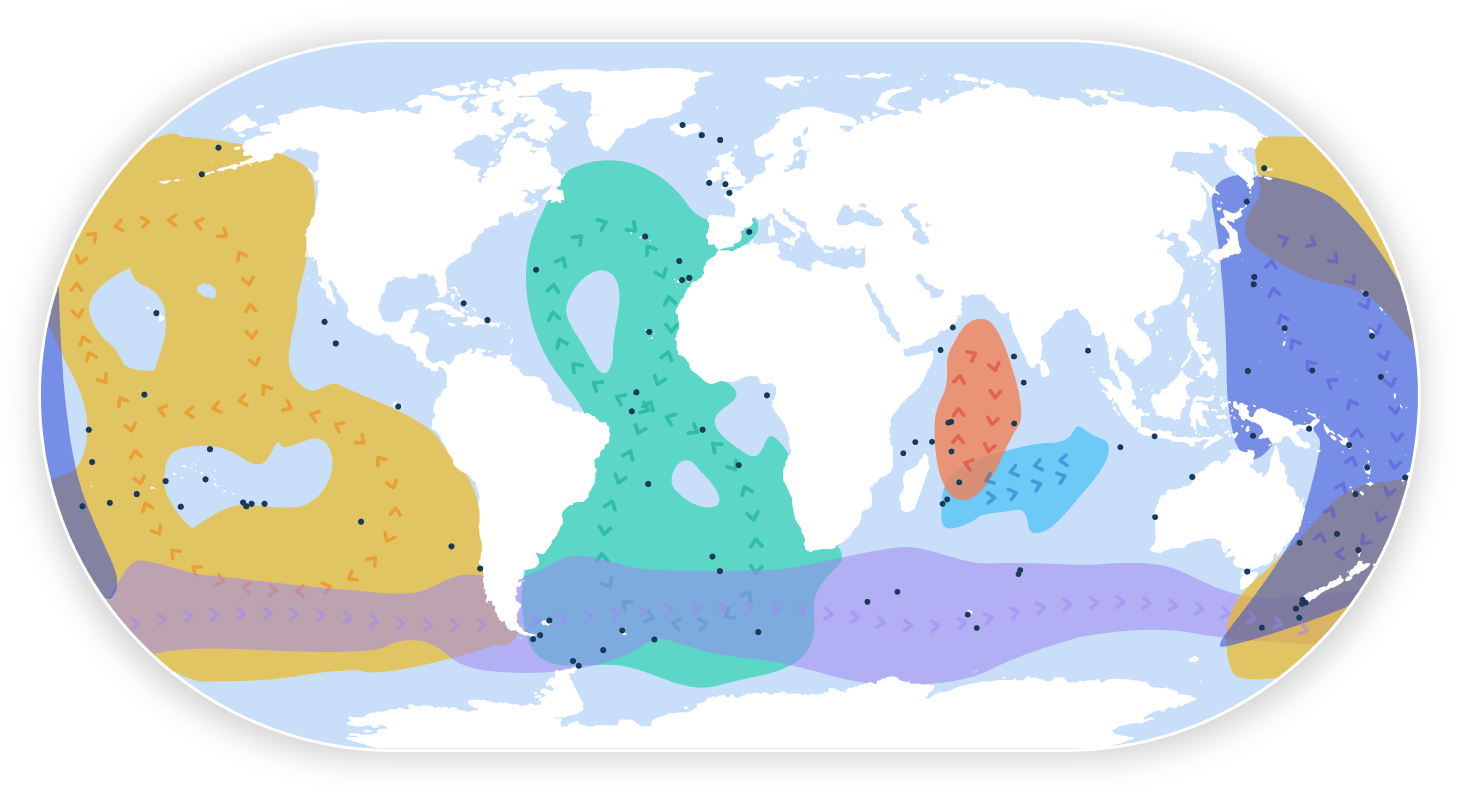
Birdlife International
Today, six major global marine migration routes—known as Marine Flyways—have been identified, spanning the Atlantic, Indian, and Pacific Oceans. These routes are strongly influenced by prevailing winds and ocean currents, allowing birds to conserve energy during their long journeys. Since they spend much of their lives on the open sea and in international waters, understanding their movements is essential for promoting conservation efforts on a global scale.
Macaronesia, comprising the archipelagos of Madeira, the Azores, and the Canary Islands, is home to some of the most important seabird colonies in the Atlantic and serves as a critical habitat for several nesting species. Among the seabirds that nest in the archipelago are:
- Cory’s Shearwater (Calonectris borealis)
- Zino’s Petrel (Pterodroma madeira)
- Desertas Petrel (Pterodroma deserta)
- Storm Petrel (Hydrobates castro)
- Bulwer’s Petrel (Bulweria bulwerii)
- Manx Shearwater (Puffinus puffinus)
- Audubon’s Shearwater (Puffinus lherminieri)
- White-faced Storm-petrel (Pelagodroma marina)
- Monteiro’s Storm Petrel (Hydrobates monteiroi)
- Leach’s Storm Petrel (Hydrobates leucorhous)
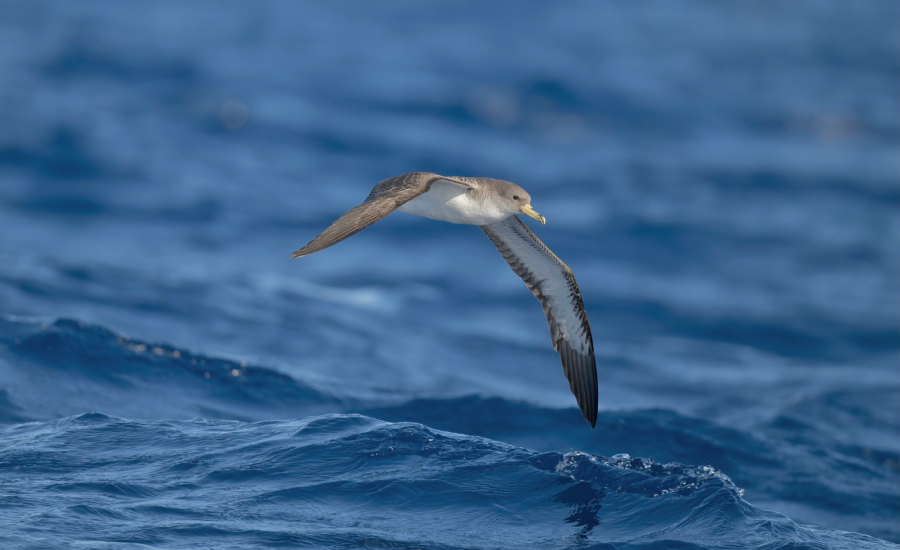
These species play a key ecological role in marine ecosystems and serve as important indicators of the state of the oceans.
By occupying high levels in the food chain and traversing vast marine areas, they contribute to our understanding of changes in ocean ecosystems, including the impacts of pollution, climate change, food scarcity, and the degradation of marine habitats.
The growing threat of light pollution
Because of their nocturnal behavior, these species rely on natural darkness to navigate during flight. With highly sensitive eyes, they are often affected by light pollution, which can blind and disorient them, compromising their ability to navigate.
When attracted by urban lights, many collide with buildings, utility poles, or vehicles and end up falling to the ground, making them vulnerable to being run over, predation by cats and rats, illegal hunting, and even dehydration. Juveniles, who are less experienced and in the midst of their first flight to the sea, are the most affected by this problem.
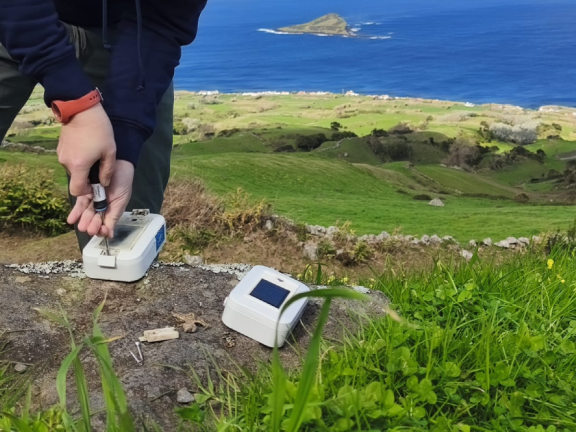
Urban expansion and the increase in inappropriate artificial lighting make light pollution a growing threat to these already vulnerable species. Knowing where light pollution is and understanding its impacts is essential for implementing effective conservation solutions.
O papel do projeto LIFE Natura@night
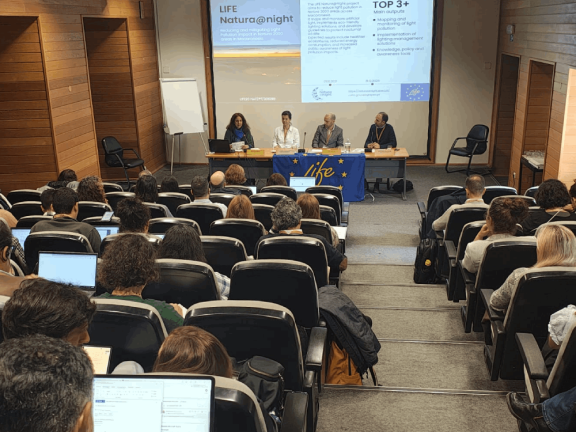
The LIFE Natura@night project works to reduce the impacts of light pollution on biodiversity by promoting solutions that balance safety, energy efficiency, and nature conservation.
As part of the project, several initiatives have been developed to mitigate this problem, including:
- Support for the development of municipal lighting master plans
- Implementation of more sustainable and biodiversity-friendly public lighting solutions
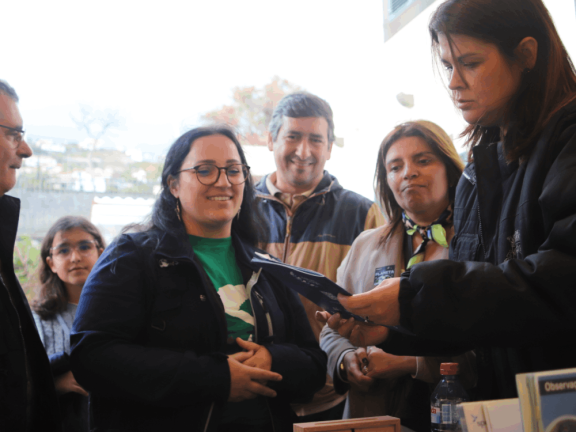
- Creation of the “Noite com Vida” award, which recognizes best practices in lighting by private entities
- Raising awareness among public and private entities and the general public
On this World Migratory Bird Day, we are reminded that protecting the night means protecting migratory routes, the oceans, and the biodiversity that depends on them. Small changes in the way we light our cities can make a big difference for millions of birds that, every year, cross the planet guided by natural darkness.