A scientific study recently published in the journal Nature, titled “Satellite imagery reveals increasing volatility in human night-time activity,” reveals a concerning trend: nights on Earth are becoming significantly brighter due to increased artificial lighting. Based on an analysis of more than one million satellite images, researchers concluded that, between 2014 and 2022, the planet became about 16% brighter at night. This increase is not limited to large urban areas: it is spreading globally, including to regions that were previously less illuminated.
A Global Phenomenon
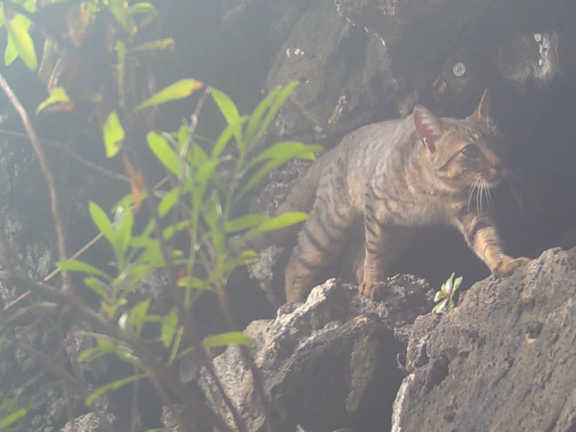
The increase in artificial nighttime lighting is one of the main drivers of light pollution, a growing environmental problem that affects not only stargazing but also ecosystems and human health. Several studies have shown that artificial light disrupts the natural cycles of nocturnal species, interferes with migration and reproduction patterns, and can affect the sleep and well-being of human populations. Furthermore, the expansion of lighting makes it difficult to preserve dark skies, an increasingly rare natural resource.
Despite the global trend of increase, some regions in Europe are beginning to show encouraging signs. The implementation of public policies and more sustainable lighting strategies has helped reduce or stabilize artificial light levels in certain areas through the use of targeted and efficient lighting, the reduction of light intensity during nighttime hours, and the adoption of technologies with less impact on biodiversity.
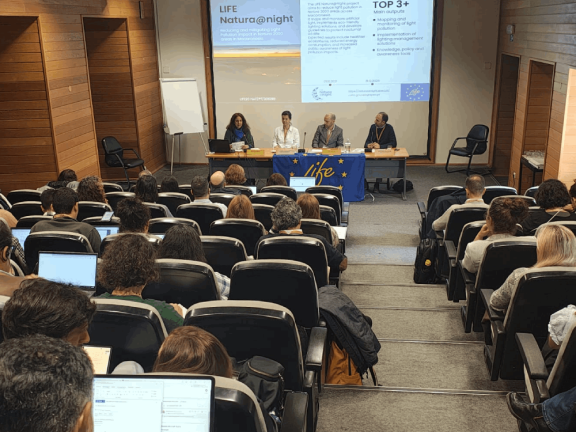
LIFE Natura@night: Protecting the Night in Macaronesia
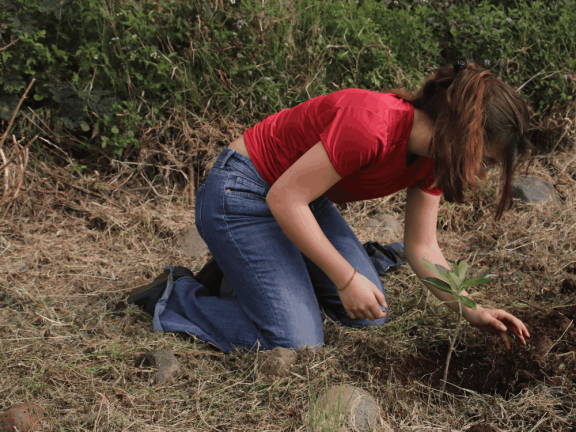
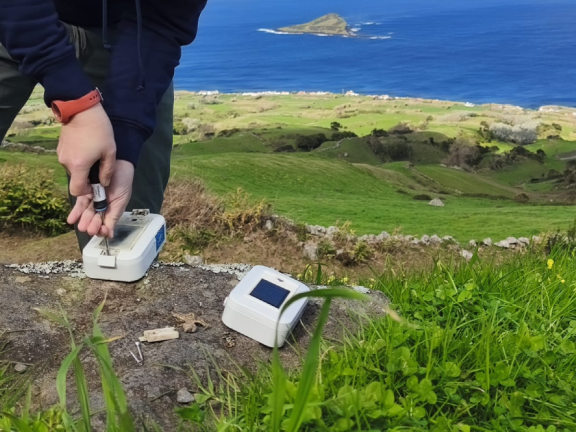
In the Macaronesia region, the LIFE Natura@night project is actively working to mitigate the impacts of light pollution. The project focuses on protecting nocturnal biodiversity by raising awareness about the responsible use of artificial lighting, implementing best lighting practices, and collaborating with local entities to preserve sensitive habitats. By restoring the night’s natural balance, the project contributes not only to nature conservation but also to the quality of life in local communities.