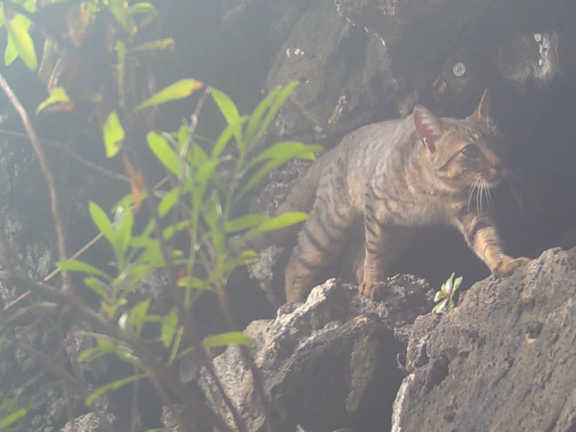
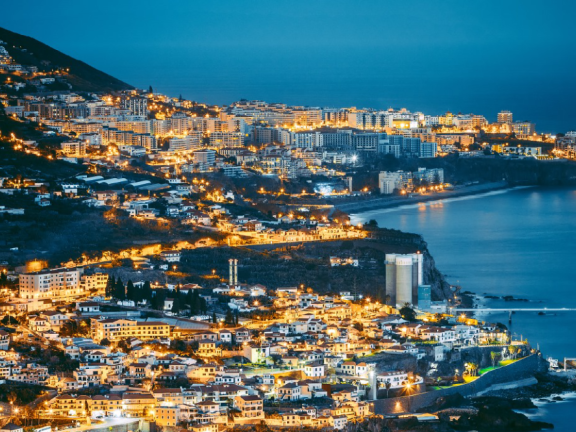
For thousands of millions of years, all life depended on the predictable rhythm of the day and night of the Tierra. It is encoded in the DNA of all plants and animals. The human being has radically interrupted this cycle by lighting up the night. Plants and animals depend on the daily cycle of light and darkness of the Earth to coordinate reproduction, nutrition, sueño and protection against predators.
Light contamination is a poorly known type of contamination, but it has important impacts both on biodiversity and on human beings and their health. Artificial light at night has negative and deadly effects on many living beings, including amphibians, birds, mammals, insects and plants, especially nocturnal animals. This is a global problem that has been getting worse over the years.
Although the origin of this contamination is more linked to urban spaces, its effects affect both the spaces of Red Natura 2000 and the protected species that are not restricted to the limits of classified spaces. Light contamination can critically influence entire ecosystems, causing changes in the behavior of wildlife, preventing the recovery of species in danger of extinction, influencing migrations and decreasing reproductive success and survival. In the protected areas of Macaronesia, which include Madeira, Azores and Canarias, this threat does not cease.