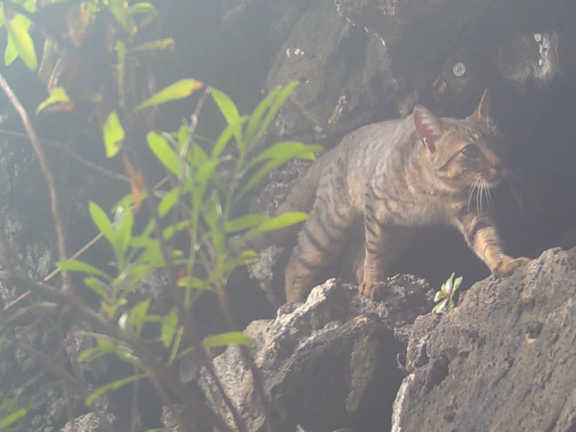
Seabirds in Madeira face numerous threats that jeopardize the reproductive success and survival of their colonies. Between introduced predators, habitat loss, and invasive species, the island’s ecosystems are particularly vulnerable to the impact of human activity. Some of these threats go unnoticed, but they can cause significant changes in the natural balance of these ecosystems.
Among these threats, the Argentine ant (Linepithema humile) stands out. Native to South America, it is now found in various regions of the world due to the accidental transport of goods and plants. Considered one of the most problematic invasive species worldwide, this small ant is distinguished by its remarkable ability to adapt and disperse.
The species forms “supercolonies” composed of multiple interconnected nests and thousands of individuals, allowing it to rapidly occupy large areas. Furthermore, it exhibits highly aggressive behavior, competing with native species for food and territory and causing profound changes in the ecosystems where it establishes itself. Its presence can reduce the diversity of native arthropods, alter food chains, and affect the ecological balance of particularly sensitive habitats, such as island ecosystems.
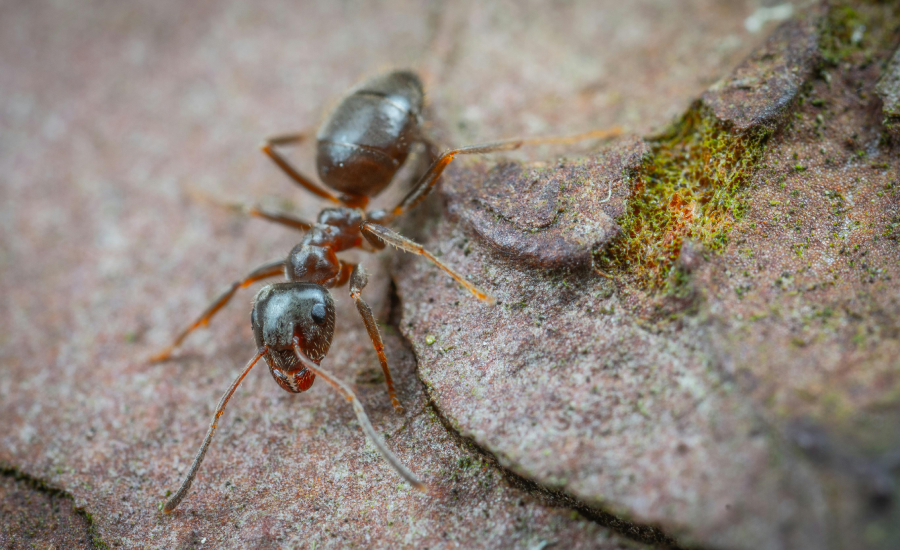
In Madeira, the presence of this ant may pose a risk to seabirds that nest in the archipelago. Species such as the Cory’s shearwater spend most of their lives at sea, returning to land only during the breeding season. Having evolved in island environments without native predators, many of these birds have a weaker anti-predatory response to introduced species, which increases their vulnerability. As a result, nests located on the ground or in rock crevices become particularly vulnerable to the presence of invasive species.
Previous studies conducted on other islands show that Argentine ants can invade nests in large numbers, attacking newly hatched chicks and targeting sensitive areas such as the eyes, nostrils, and skin. In addition to physical injuries, the constant presence of these ants causes high levels of stress and disturbance in adult and juvenile birds, which can lead to the abandonment of nests and compromise the reproductive success of colonies. The species’ high dispersal capacity and the difficulty of controlling it make its early detection particularly important for the conservation of seabirds.
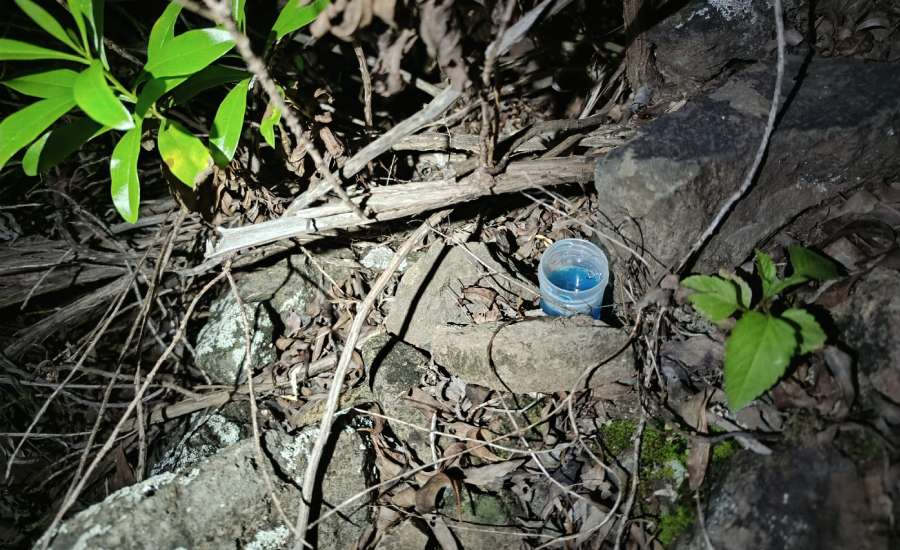
To better understand this threat, the BESTLIFE2030 STOP Predators project is monitoring seabird colonies, seeking to identify the presence of invasive species and assess their potential impacts on this group of animals.
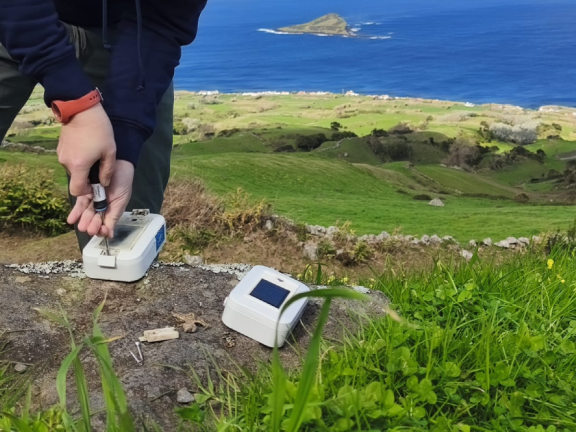
Among the methodologies used are “pitfall” traps, a technique widely used in monitoring terrestrial arthropods. These traps consist of small containers placed at ground level that allow for the capture of insects and other organisms moving on the surface, such as ants. Through this technique, it is possible to gather information on the presence and distribution of invasive species in the monitored areas.
Preliminary results from the project have already detected the presence of the Argentine ant in two seabird colonies monitored in Madeira. This detection represents an important step toward understanding the extent of the threat and supporting future mitigation and conservation measures.
Understanding the threats affecting seabirds is essential to ensuring the protection of these unique ecosystems. Continuous monitoring and the implementation of conservation measures could be crucial to minimizing the impacts of invasive species and preserving Madeira’s marine biodiversity.