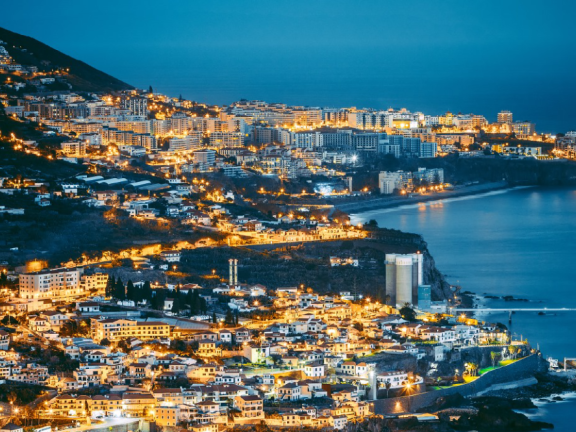
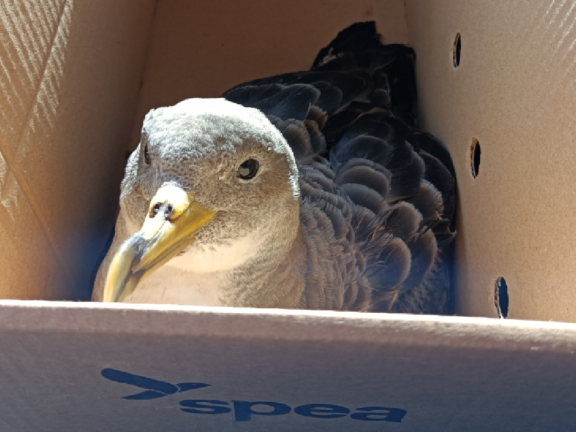
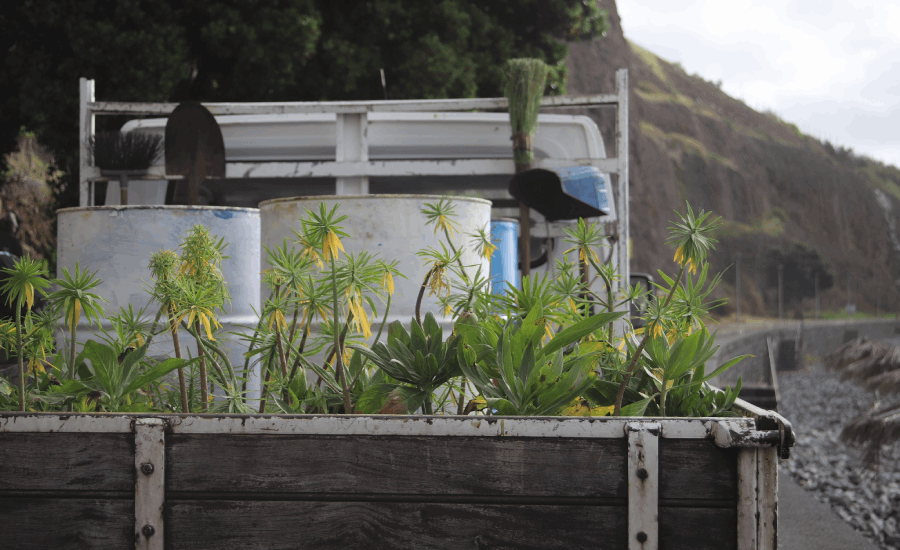
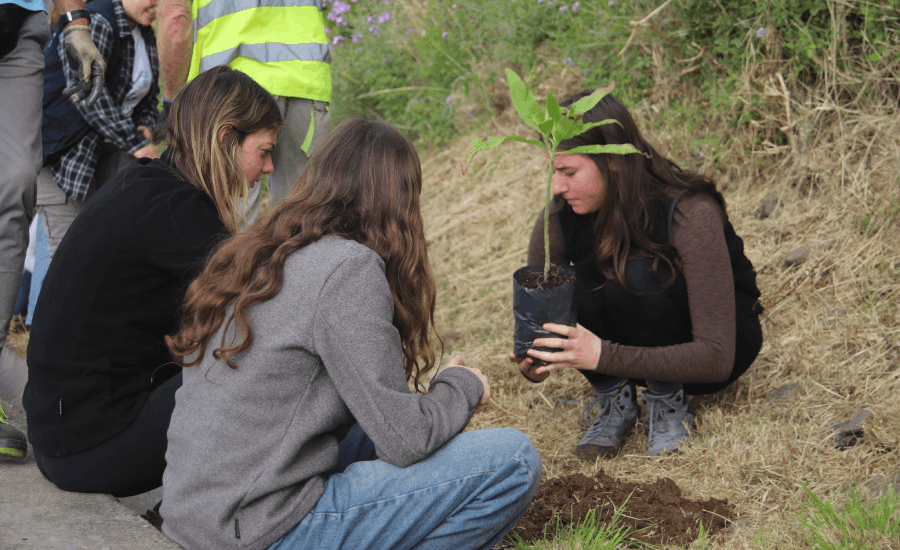
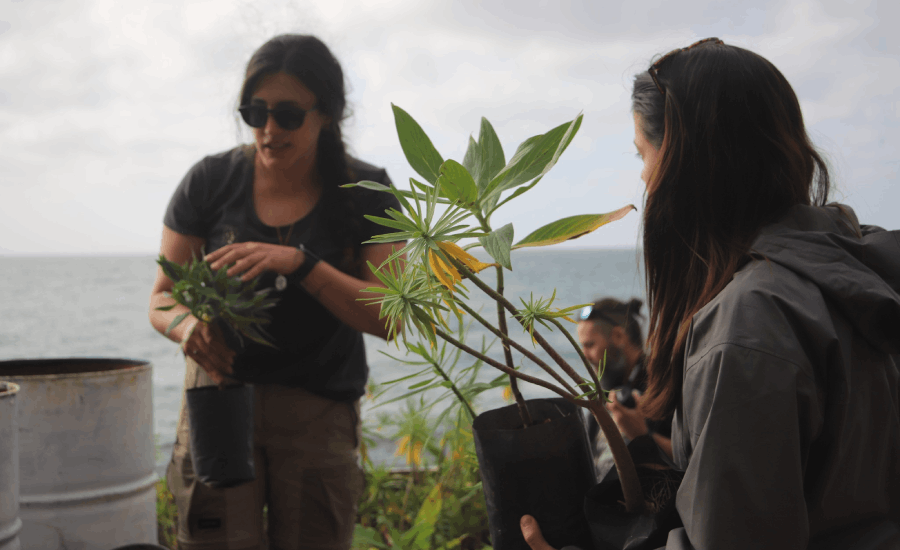
On March 31, a volunteer event was held at Ribeira do Natal Beach in Caniçal to plant native species as part of the BESTLIFE2030 STOP Predators project. The goal was clear: to contribute to the restoration of coastal ecosystems and raise awareness about the importance of environmental protection.
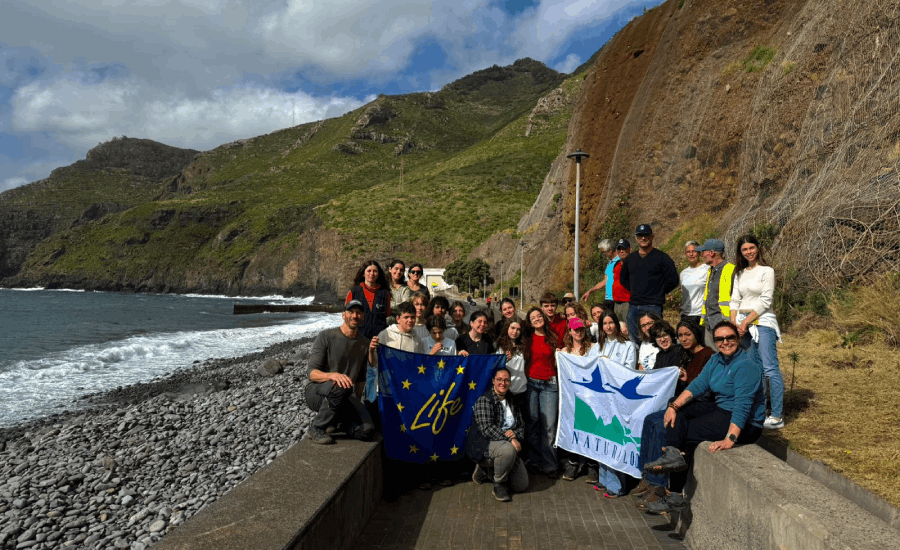
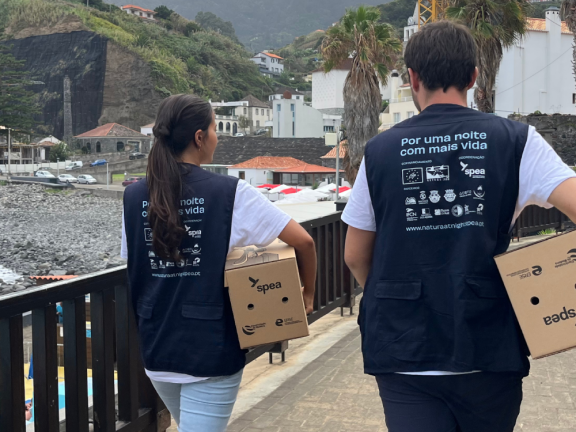
The event, supported by the Machico Municipal Council’s Environment Office and the Ecos Machico team, brought together more than 20 volunteers, including students from St. Stephen’s School in Rome, Italy, through Wild Sky Adventure Guides.
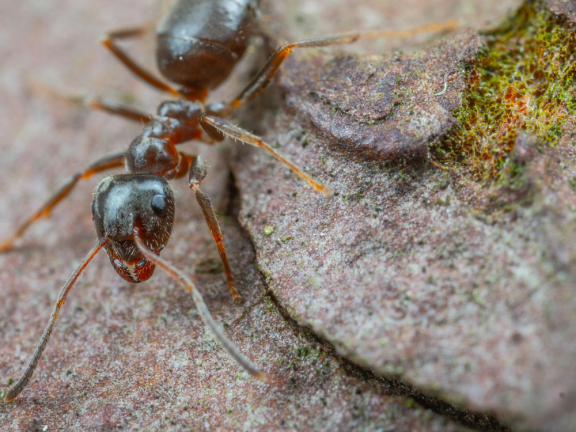
Throughout the activity, there was also an opportunity for environmental awareness-raising, focusing on the issue of invasive species, one of the main threats to biodiversity in Madeira. When introduced outside their natural habitat, these species can compete with native flora for essential resources such as water, light, and nutrients, hindering the natural regeneration of ecosystems and causing significant ecological imbalances.
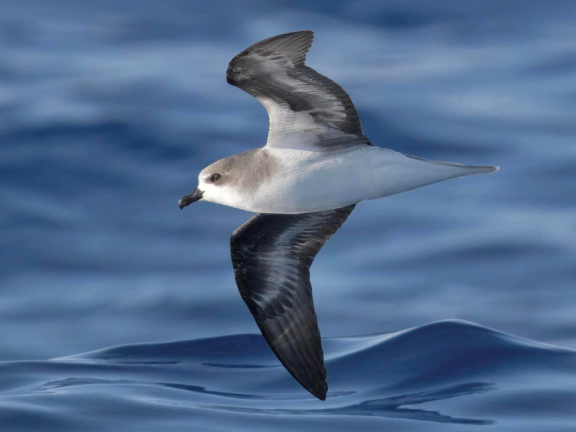
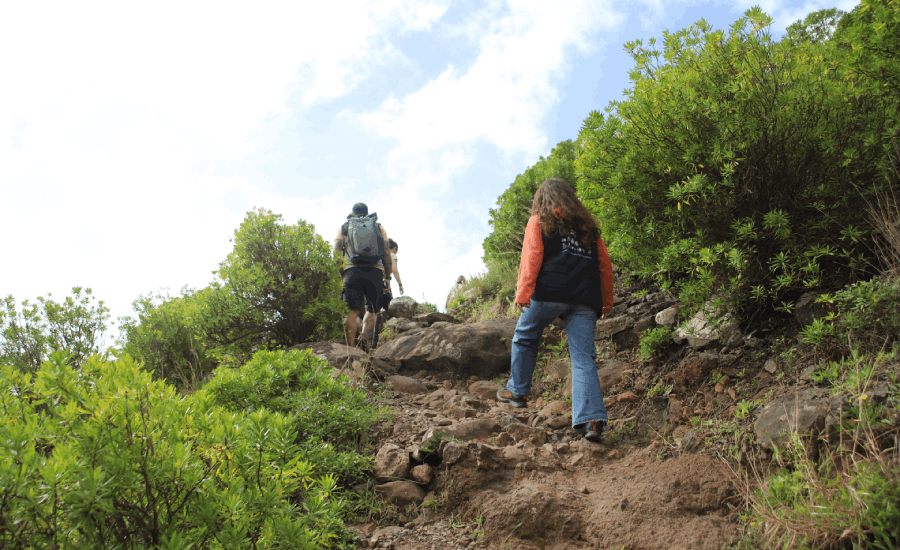
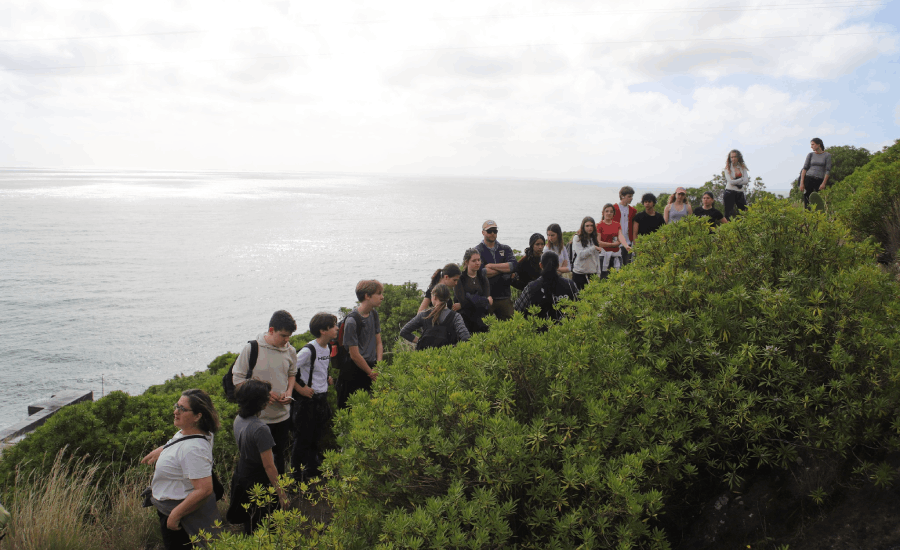
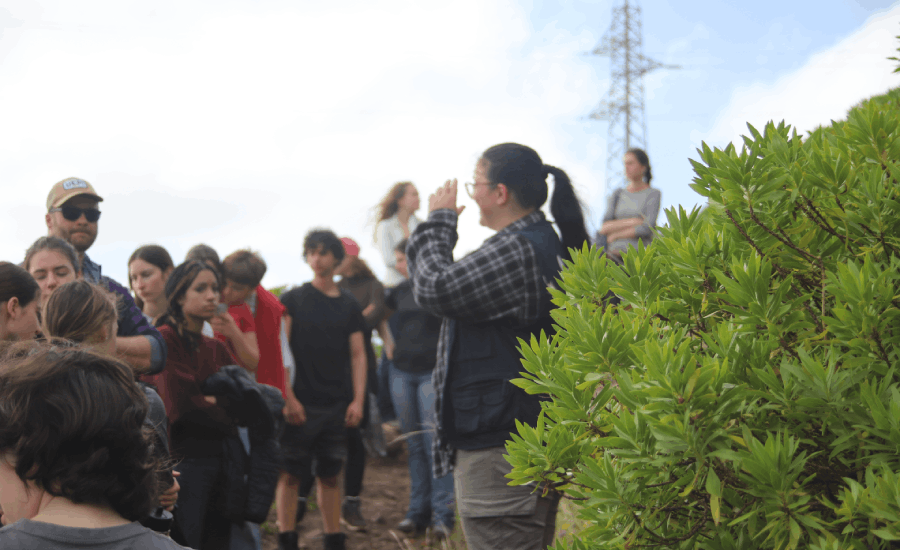
The group of volunteers was also guided by SPEA on a short hike to Pico do Facho. This area includes habitats protected under the Habitats Directive, such as cliffs with flora endemic to Macaronesia and scrubland characteristic of semi-arid zones. In addition, it is home to protected species of birds and bats. Studies conducted as part of the LIFE Natura@night project have also highlighted the effects of light pollution on nocturnal fauna, underscoring the need for careful management of these ecosystems.
Through this initiative, the BESTLIFE2030 STOP Predators project reinforces its commitment to nature conservation and environmental education, encouraging local and international communities to actively protect Madeira’s ecosystems and promote its natural heritage.