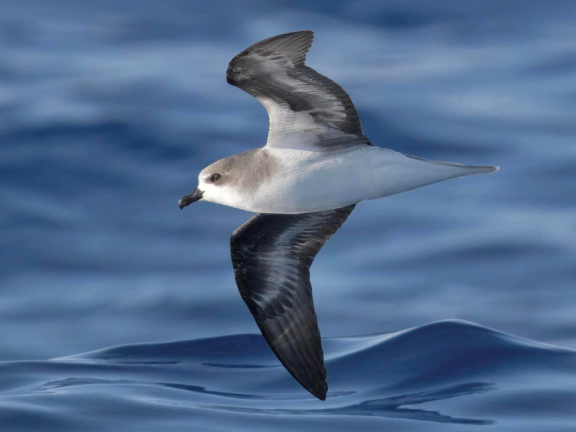
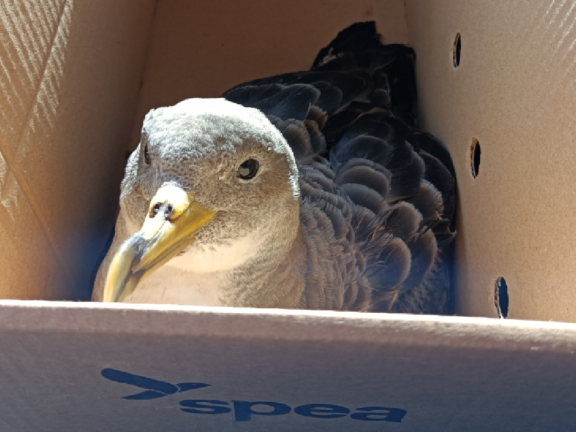
Island ecosystems are known for their fragility. Many species, such as the Cory’s shearwater (Calonectris borealis), evolved in the absence of terrestrial predators, making them particularly vulnerable to threats introduced by humans.
Among the introduced predators currently found in Madeira are the house mouse (Mus musculus), the brown rat (Rattus norvegicus), the black rat (Rattus rattus), and the ferret (Mustela furo), all of which have documented impacts on native wildlife. Domestic cats (Felis catus) join this group of predators, also posing a threat to these ecosystems.
Like other invasive species, cats combine agility, stealthy behavior, and a high capacity for adaptation, allowing them to easily access nesting sites, even in remote areas.
During the breeding season—the only time of year when seabirds return to land—they become particularly vulnerable. Feral cats prey on eggs, chicks, and even adult birds, causing not only direct mortality but also nest abandonment due to stress.
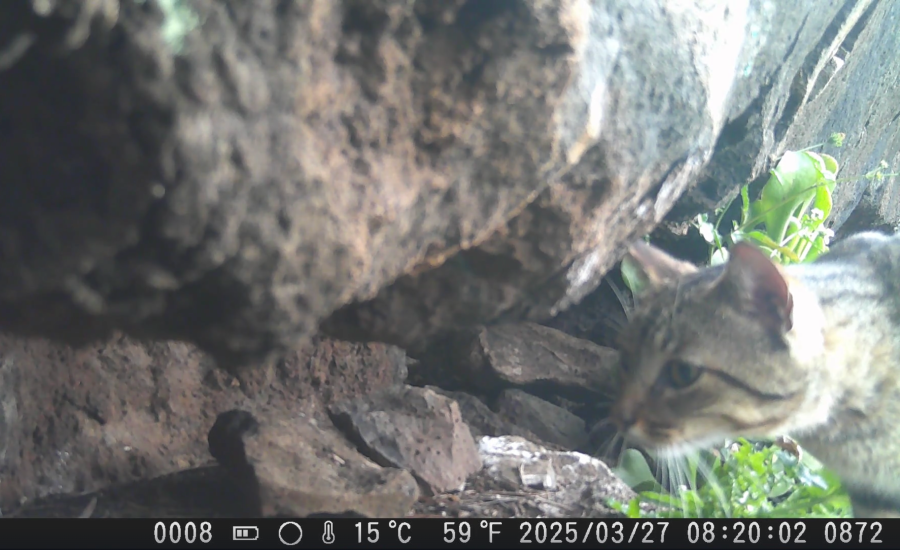
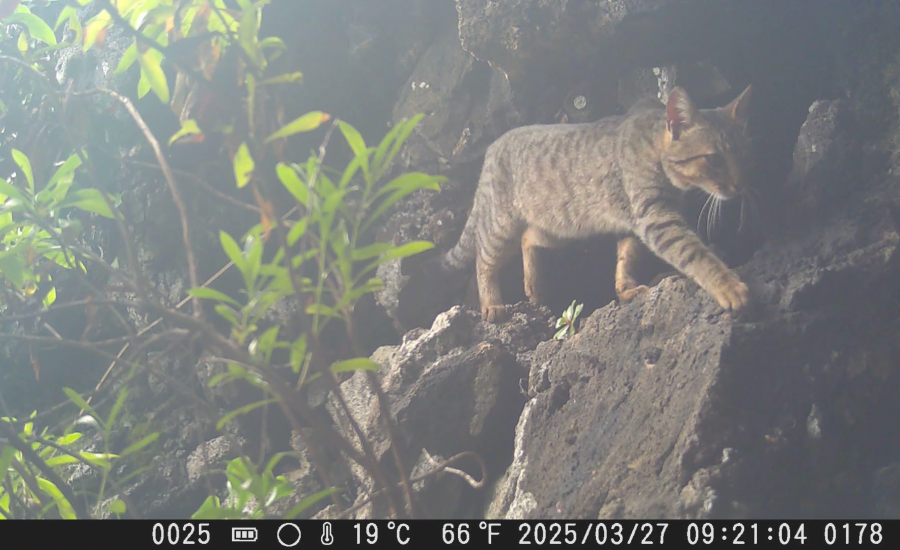
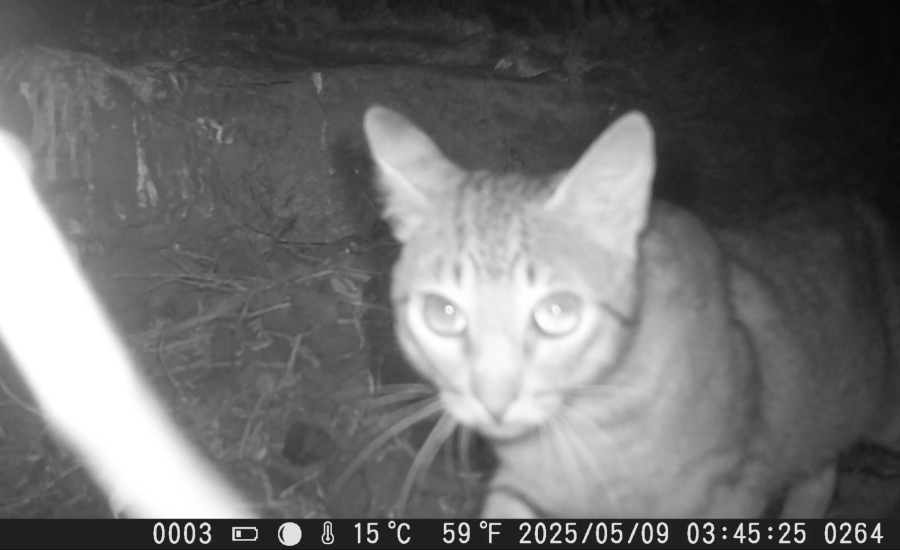
A Problem of Human Origin
The presence of cats in Madeira is linked to human activity, whether through their introduction as domestic animals or through accidental introductions. Over time, abandonment and uncontrolled reproduction have given rise to feral populations which, like other invasive species, pose a persistent threat to ecosystems, exacerbated by the lack of effective population control. This phenomenon poses complex challenges—not only ecological, but also social and ethical.
Mitigating to Protect the Future
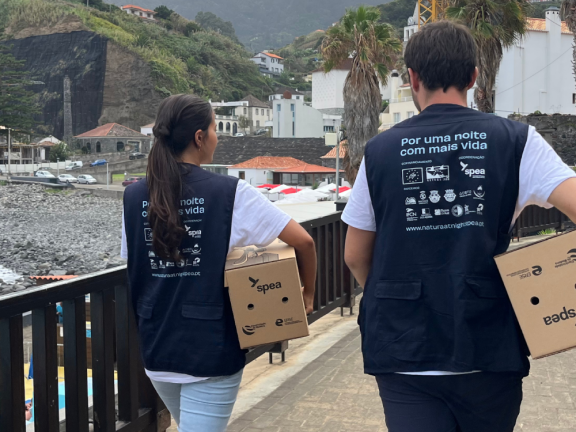
As part of the BESTLIFE2030 STOP Predators project, launched in 2025, continuous monitoring of nesting areas is being conducted, along with the identification of predation hotspots. The use of camera traps and nighttime censuses using thermal monoculars has made it possible to record the presence of these predators and identify signs of predation.
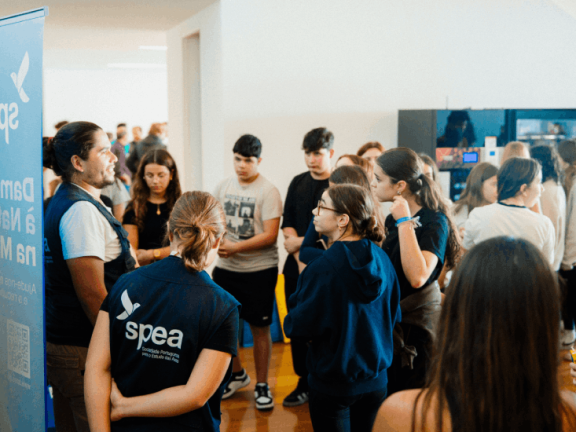
These observations highlight the risk that feral cats pose to the reproductive success of seabirds, reinforcing the need to continue studying and mitigating this threat. At the same time, it is essential to raise public awareness about responsible pet ownership to prevent abandonment and the growth of feral populations.
The conservation of seabirds depends not only on actions on the ground but also on changes in human behavior. In a region where biodiversity is unique and irreplaceable, addressing the problem of feral cats has become an urgent priority to ensure ecological balance and the future of Madeira’s seabirds, and it is essential to recognize that small actions, such as abandoning an animal, can have profound consequences for ecosystems.