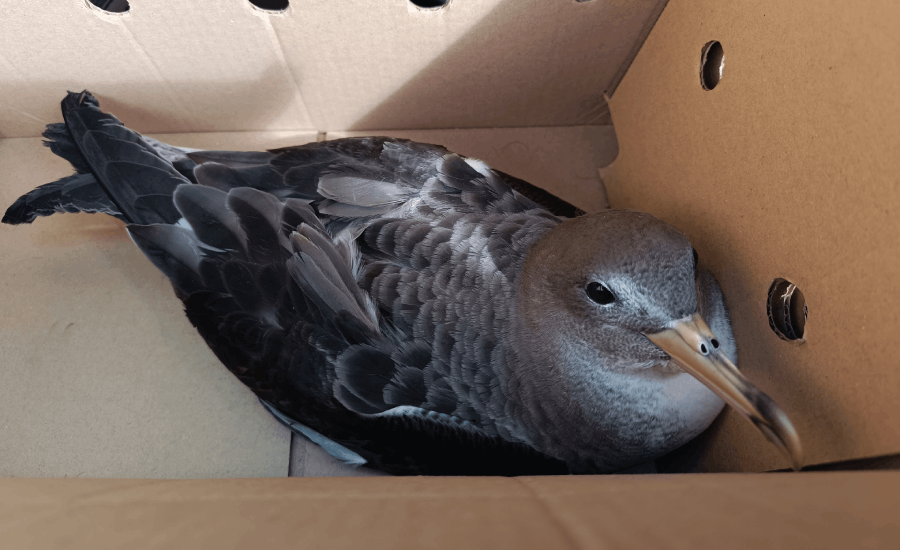
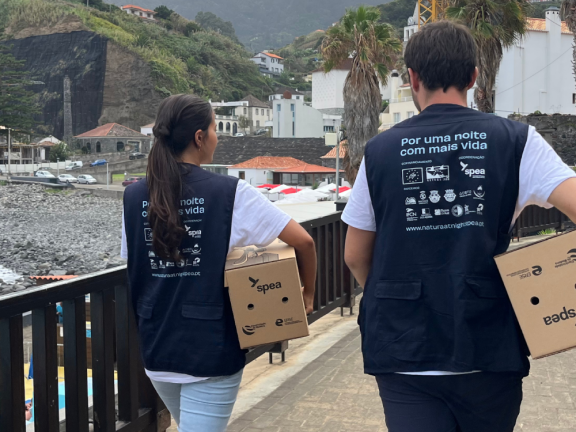
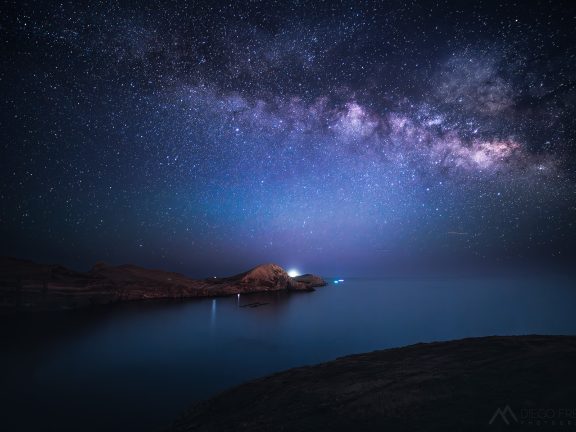
Between October 23 and November 5, Madeira once again welcomed the scientific teams from the Save a Seabird Campaign. During 17 night patrols along the island’s east coast, the teams searched the roads for disoriented seabirds, a common phenomenon at this time of year due to light pollution, which particularly affects young Cory’s shearwaters (Calonectris borealis) on their first flights.
The initiative involved 133 volunteers, including 89 regional volunteers, 16 international volunteers from mainland Portugal, Spain, Belgium, Latvia, and New Zealand, 16 municipal technicians from Machico and Santa Cruz, as well as 6 interns and 6 technicians from SPEA Madeira.
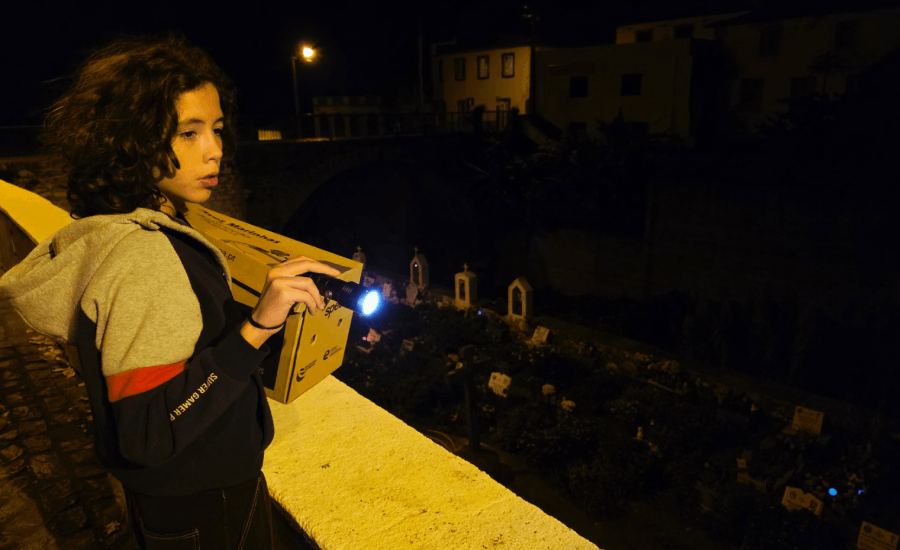
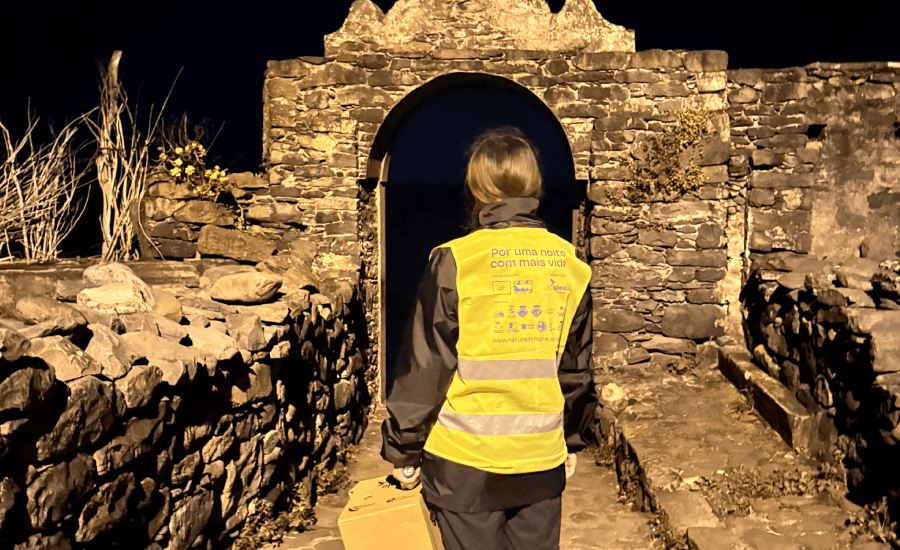
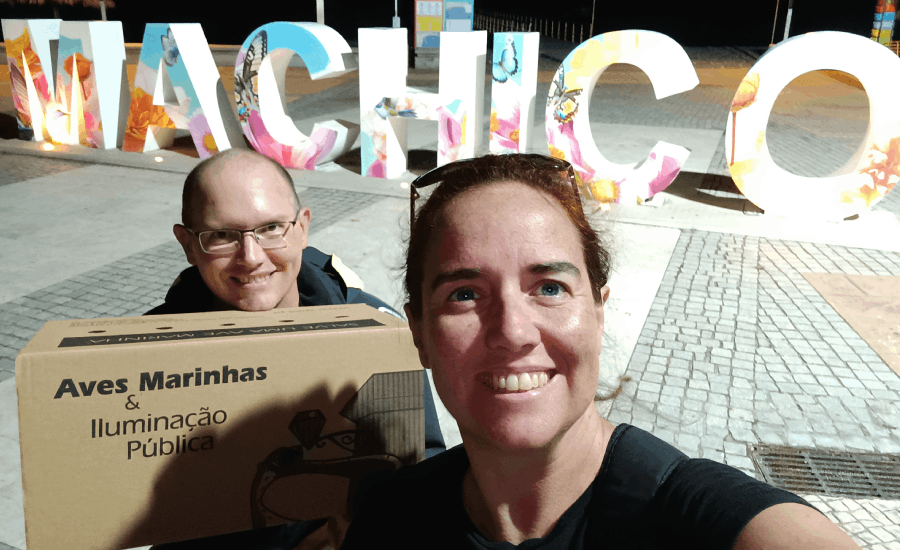
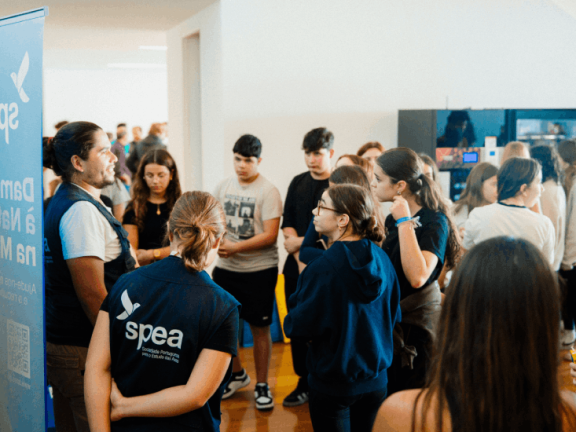
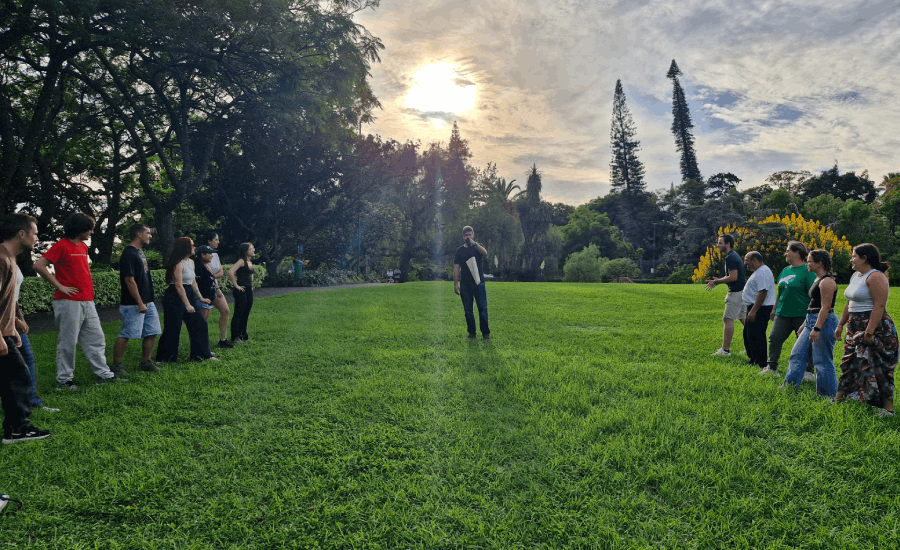
During these two intense weeks, SPEA Madeira promoted several training courses in biology and conservation, addressing topics such as Geographic Information Systems (QGIS), insects and bats of Madeira, sampling methodologies, seabirds and their threats, and bird census techniques.
Volunteers also received online training on brigade methodology, as well as good safety and hygiene practices, reinforcing the educational and scientific component of the project.
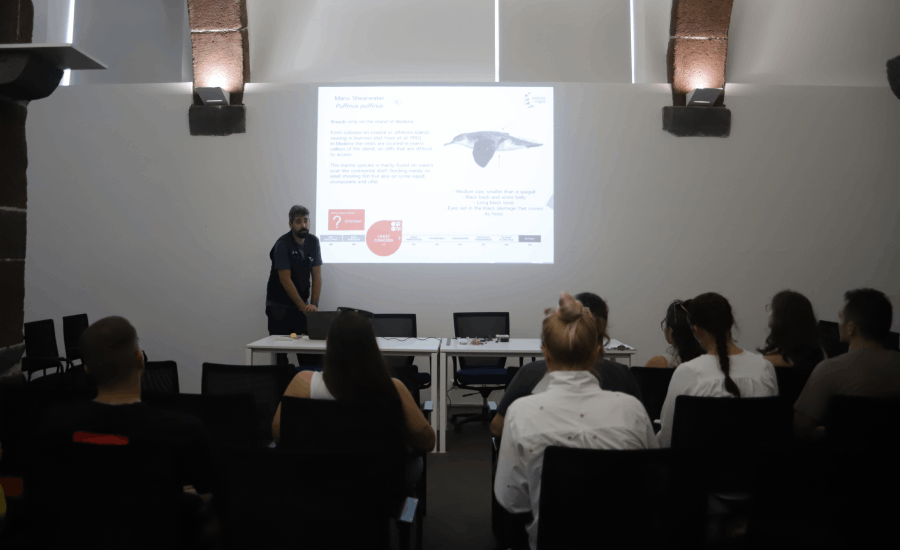
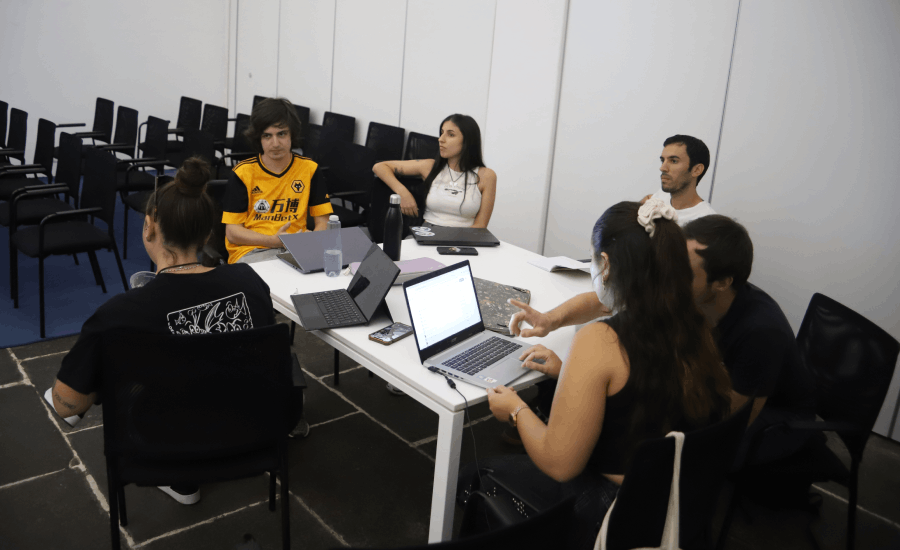
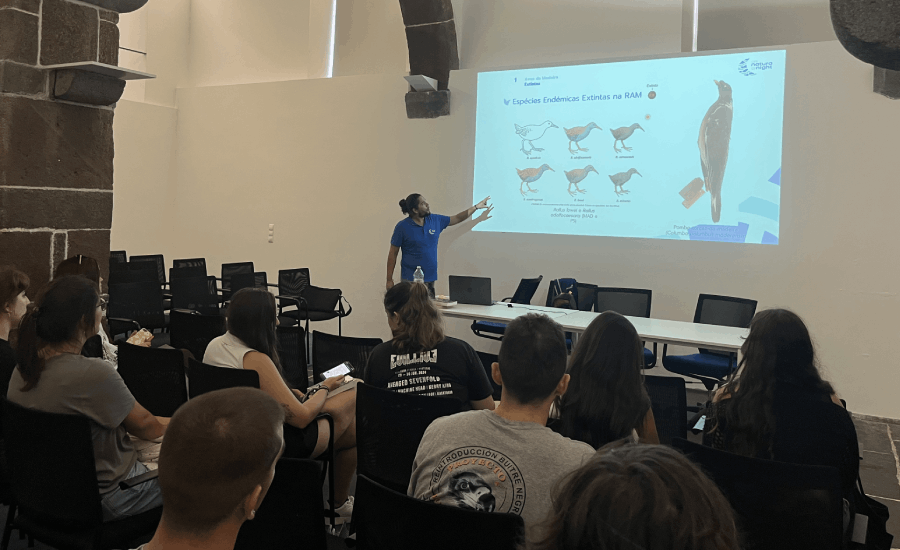
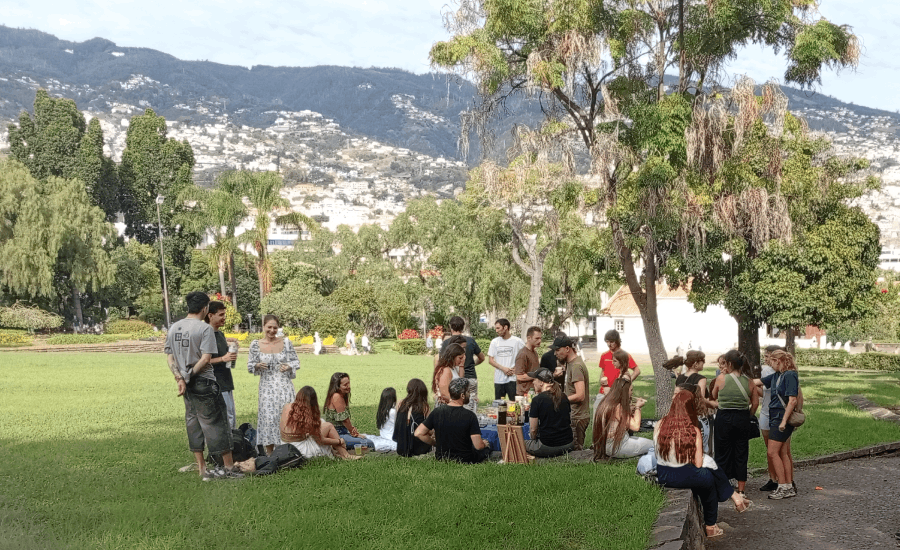
In addition to patrols and training sessions, the campaign included moments of discovery and socializing, such as a visit to the Whale Museum in Caniçal and the protected area of Pico do Facho in Machico. The end of the brigades was celebrated with a picnic in Santa Catarina Park, bringing volunteers and technicians together in a relaxed atmosphere.
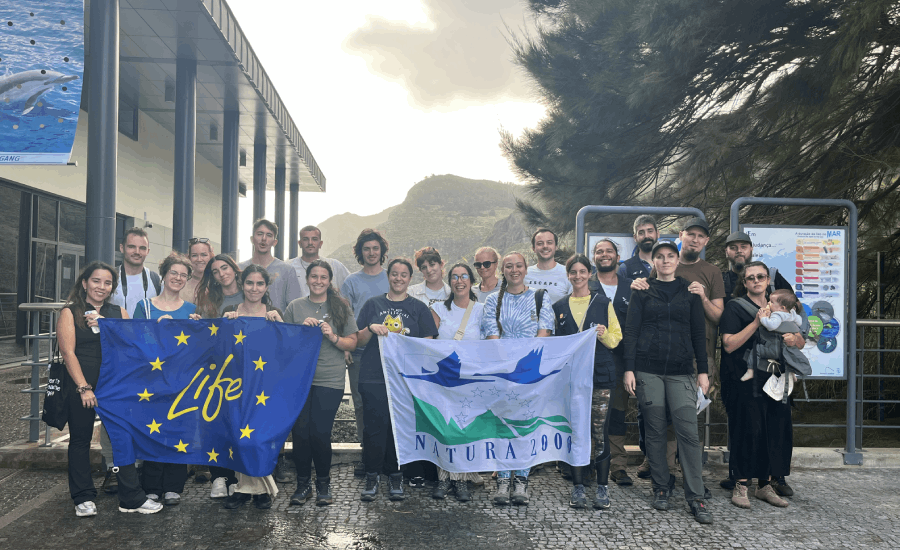
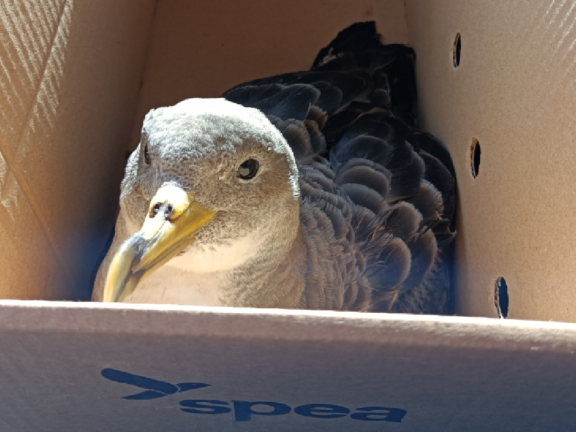
The joint effort resulted in the rescue of 13 seabirds—12 Cory’s shearwaters and one Storm Petrel —although one Cory’s shearwater did not survive.
More than just saving birds, the brigades reinforced the spirit of community and cooperation, promoting environmental awareness and attracting new participants to the conservation of Madeira’s biodiversity.