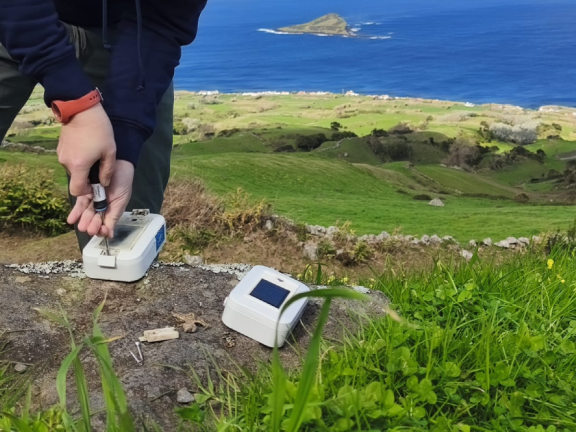
Monitoring the seabird colonies that nest in the archipelago remains one of the main focuses of ongoing conservation work. This systematic monitoring is essential for understanding population dynamics, assessing the conservation status of species, and identifying the main threats they face throughout their reproductive cycle. Using different methodologies, it is possible to quantify reproductive success and collect essential data to guide conservation actions.
However, the results of this monitoring reveal significant challenges. In many cases, birds return to land to breed, but are often unable to successfully complete this process. This phenomenon is the result of a set of interrelated factors of an environmental, ecological, and anthropogenic nature that directly affect the ability of seabirds to produce viable offspring.
Among the main causes are changes in marine ecosystems associated with climate change, which have been altering ocean productivity patterns and reducing food availability near breeding areas, especially during the critical feeding period for young fish. Food scarcity compromises the physical condition of adults and reduces the probability of survival of young, increasing mortality rates even in the early stages of development.
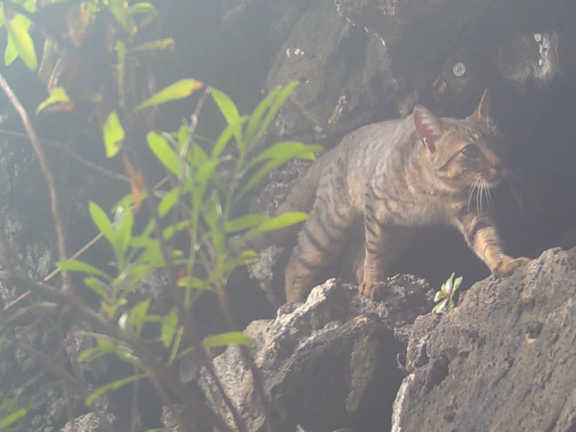
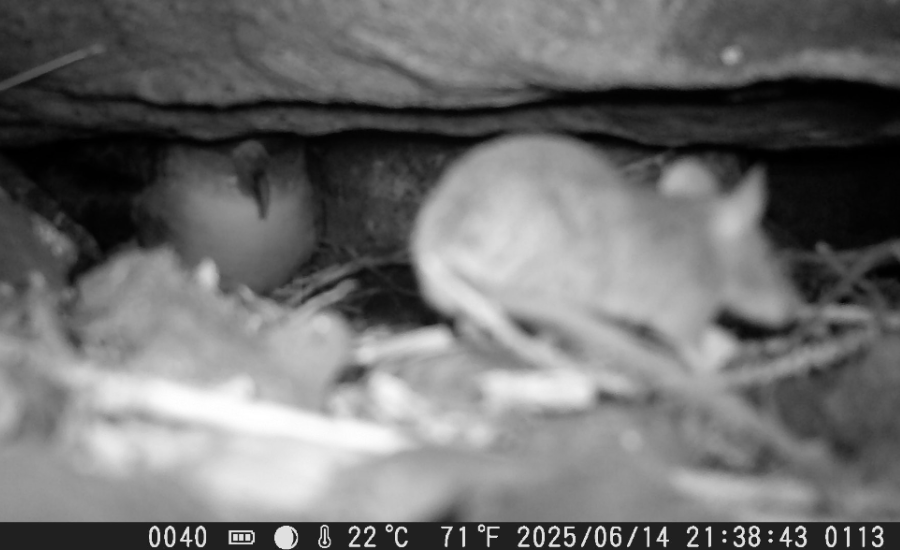
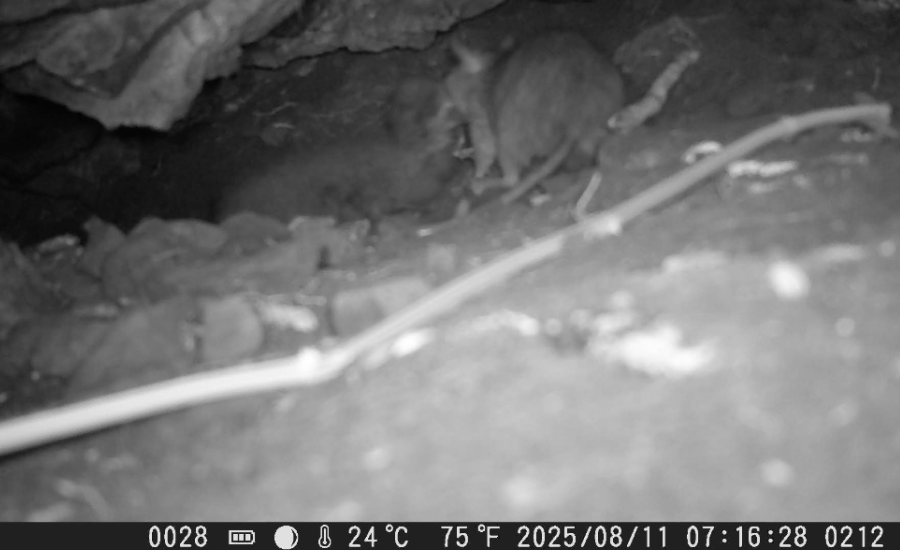
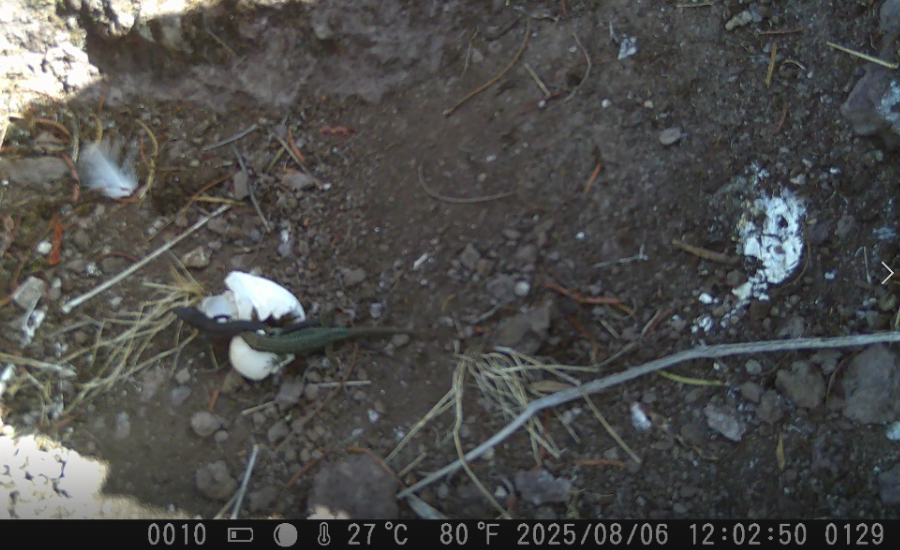
Another determining factor for reproductive failure is predation, particularly by introduced species. The presence of cats, dogs, and rodents on the islands poses a serious threat to seabird colonies, as these species prey on eggs, chicks, and, in some cases, adults. Monitoring using cameras has confirmed the frequent presence of these predators in nesting areas, highlighting the constant pressure to which the colonies are subjected. In addition to direct predation, the mere presence of these animals causes disturbance, stress, and abandonment of nests, compromising egg incubation and chick development.
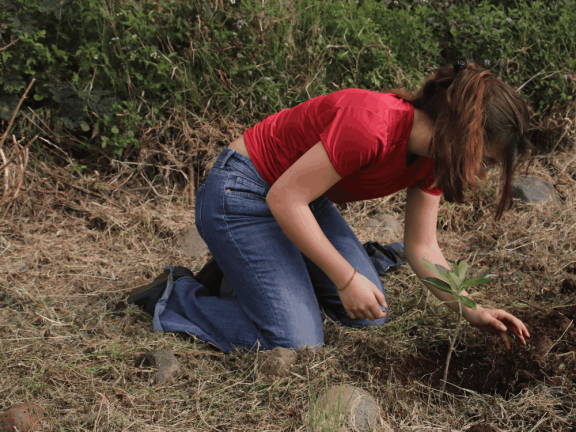
The degradation of nesting habitats is also a significant factor. The loss of quality and availability of suitable breeding sites reduces birds’ options and increases the vulnerability of nests to predation and adverse weather conditions. These pressures are even more serious when considering the biological characteristics of seabirds, which have long life cycles, late sexual maturity, and low annual productivity, limited to laying a single egg per breeding season. Thus, any significant loss in a breeding cycle can take several years to be compensated for by the population, and successive disturbances can lead to sharp population declines.
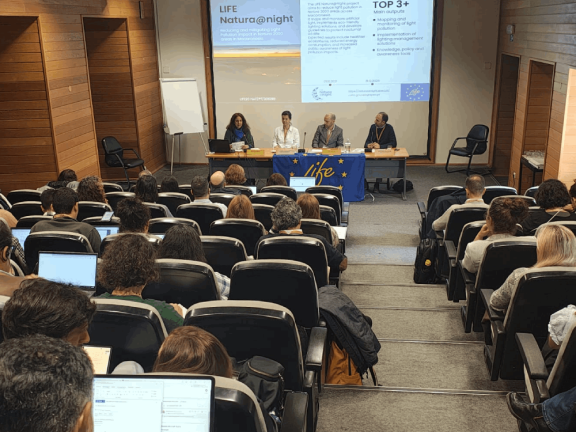
Given this scenario, the commitment to conservation remains firm through projects such as LIFE Natura@night and BESTLIFE2030 STOP Predators. Fieldwork, combined with continuous monitoring and the use of new technologies, is essential to identify threats, assess impacts, and implement effective protection measures. At the same time, it is essential to promote sustainable and responsible development that ensures the preservation of seabirds and their habitats, guaranteeing the viability of these ecosystems for future generations.