Introduced predators are one of the greatest threats to the biodiversity of island ecosystems. Many native species on these islands evolved in the absence of predators and did not develop natural defenses against them, making them particularly vulnerable to unexpected encounters. As a result, the introduction of predators can cause rapid population declines and, in some cases, lead to the local extinction of species.
Among the introduced predators that occur in Madeira today are the house mouse (Mus musculus), the brown rat (Rattus norvegicus), the black rat (Rattus rattus), and the ferret (Mustela furo). But how did these predators arrive in the region? To understand how the territory became the scene of this threat, it is necessary to go back in time.
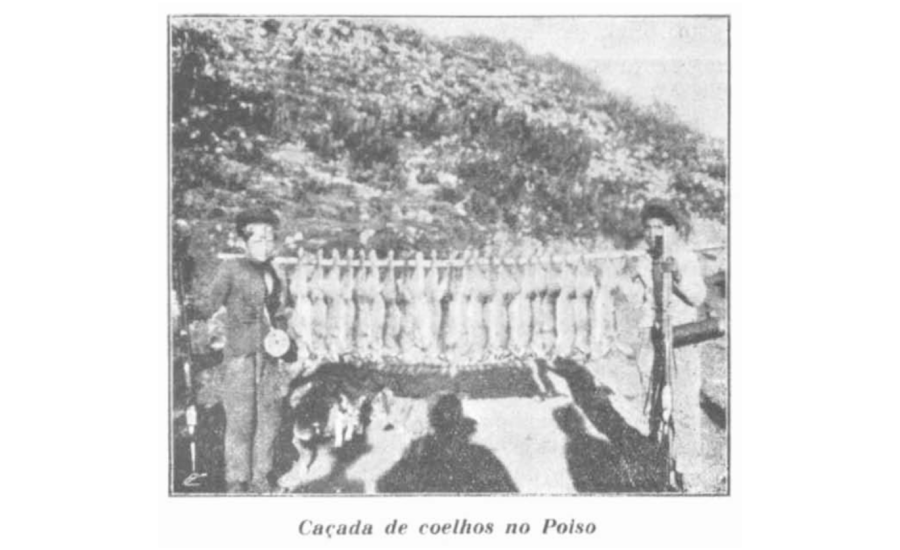
Rabbit hunting in Poiso, Mammals of the Madeira archipelago (p. 63), by A. Artur Sarmento, 1986, Diário de Notícias.
Unlike cats, whose presence is associated with human introduction in the context of settlement and coexistence, and rats, whose arrival on the island is generally attributed to accidental introduction, transported inadvertently on ships, the case of the ferret corresponds to a much more intentional introduction, motivated by its usefulness in hunting.
The introduction of the ferret to Madeira took place during the Donatory Period, between approximately 1425 and 1440, as part of the so-called “art of hunting,” brought by the nobles as part of hunting traditions, especially for hunting rabbits, which were also introduced and abundant in agricultural areas. These mustelids were used to scare rabbits out of their burrows, thanks to their slender, elongated bodies, which allowed them to easily enter the holes, thus facilitating their capture. This practice, often complemented by the use of dogs, became an important part of hunting in the archipelago.
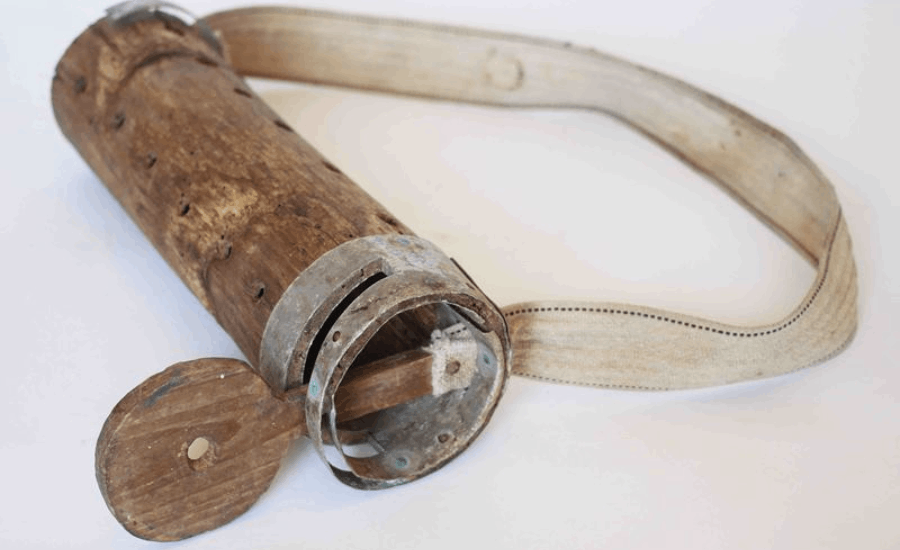
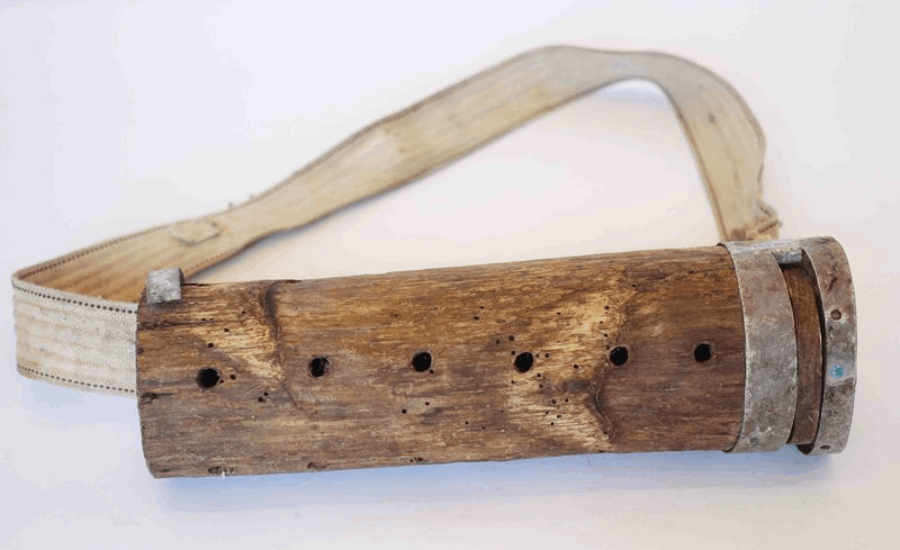
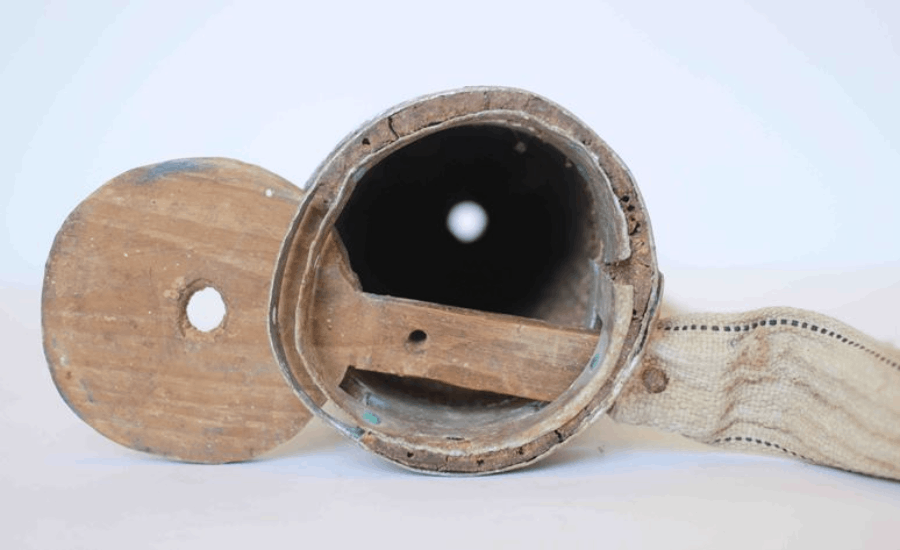
On the island of Porto Santo, it was common to use the furoeira, a cylindrical box or wooden trunk with a lid and several holes along the surface, which allowed the animal to breathe during transport. This structure included a fabric handle that allowed the hunter to carry it on their shoulder.
Over the centuries, ferrets that escaped from captivity quickly adapted to life in the wild, being described as animals with an insatiable appetite and marked predatory behavior. This behavior allowed them to establish themselves in various regions of the island, including protected areas, posing a significant threat to species such as the Cory’s shearwater (Calonectris borealis), preying on eggs and chicks or causing nests to be abandoned due to the stress caused by their presence.
In view of the impact of this invasive species, fieldwork has been carried out since the beginning of 2025 as part of the BESTLIFE2030 STOP Predators project, which aims to reduce the impact of invasive species on shearwater colonies. The project’s actions include monitoring before, during, and after the breeding season of these seabirds, using equipment such as camera traps (photographic trap cameras) and night censuses with the aid of a thermal monocular, which have already made it possible to record the presence of ferrets in nesting areas and evidence of predation on Cory’s shearwater chicks, revealing direct impacts on the reproductive success of these seabirds and highlighting the need to mitigate this threat.